


This morning, I was out walking and talking on the phone when something happened that would have had me freaking out for months in the first couple of years with my tinnitus.
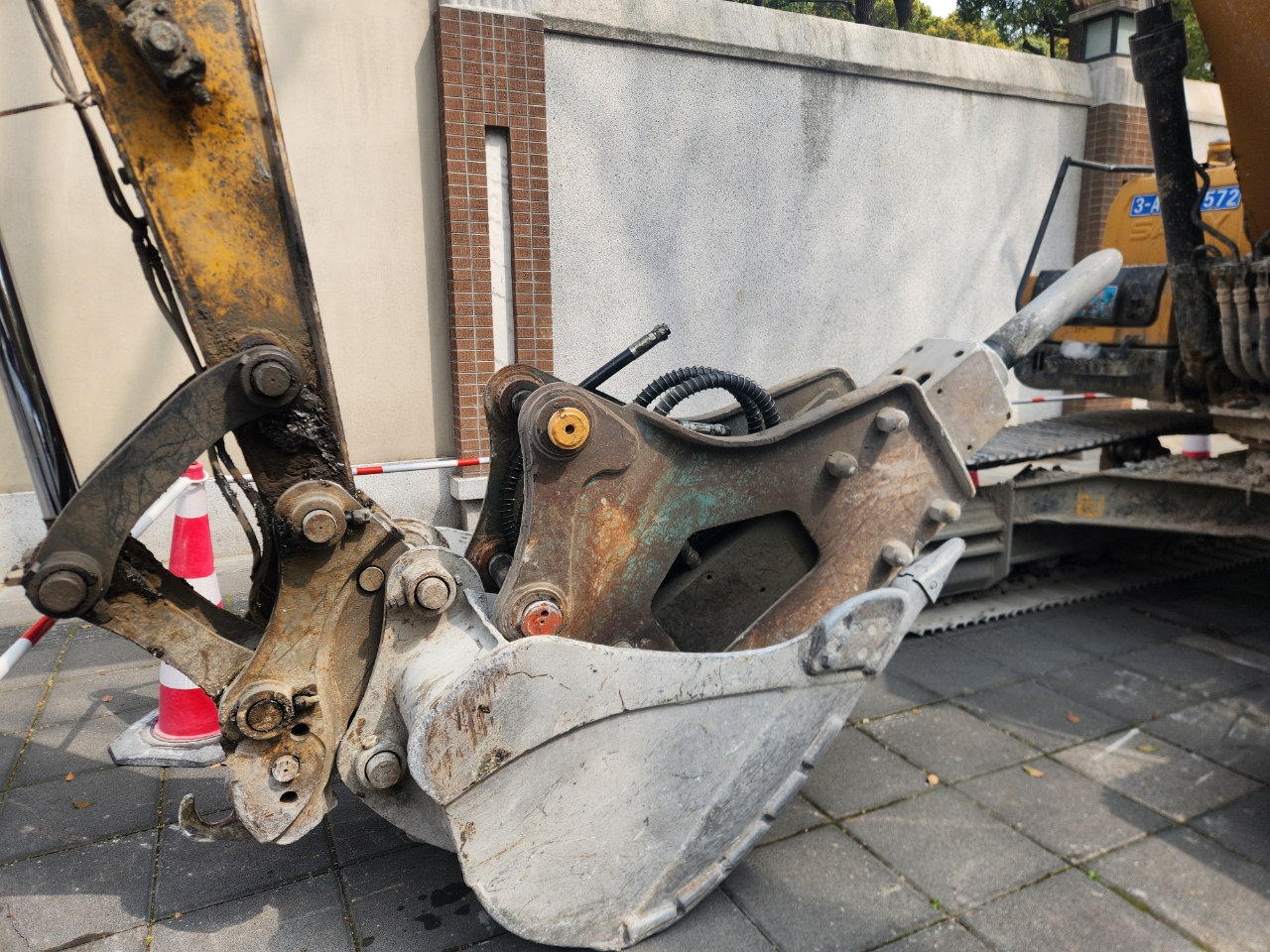
I was passing some apparently dormant roadwork and not paying much attention because I was focused on the conversation. Then, just as I walked by, a giant hydraulic breaker across the street suddenly exploded into action.
It was so violently loud that for a split second I thought my eardrums might burst.
Because I was in the middle of a call, I didn’t immediately jam my fingers in my ears the way I normally would have. Instead, I just started running to get as far away from it as I could as fast as possible. Within maybe a minute, I had enough distance that I could continue the call normally.
But as soon as I was clear of it, my old thought patterns showed up.
F***. That was bad.
Why didn’t I cover my ears immediately?
What if I just made this worse?
What if I damaged something I can’t undo?
And right on cue, my tinnitus, something I’ve rarely noticed for years, was suddenly front and center. It also seemed louder than usual.
In the past, I would have taken that as proof that something terrible had just happened. I would have started checking it, comparing it, and testing it in different environments.
That is exactly how one bad moment turns into a week, a month, or a year of suffering.
But this time, experience kicked in almost immediately. I thought to myself:
You know this pattern now.
You’ve lived through much louder, much longer, much more genuinely reckless noise exposure in the past and came through it just fine.
And you also know that the fastest way to turn a short, unpleasant moment into a real problem is to start feeding it with fear, monitoring, and catastrophic attention.
You know better than this. Don’t make this into a thing.
So I kept walking and re-engaged with the conversation as if none of it was happening. Within a few minutes, I had stopped thinking about it.
By the time I got home about half an hour later and stepped back into quiet, my tinnitus was no different from what it normally is on the rare occasions I notice it. Once my attention went back to my work, it disappeared from awareness again within minutes.
To me, that’s one of the clearest signs of what successful habituation looks like. I don’t need life to become perfectly safe. It’s not reasonable to expect that loud things never happen. I’m going to occasionally have a flash of fear.
Habituation means that when something does happen, it no longer hijacks my whole nervous system and drags me into the old fear loop.
So much of my suffering used to stem from the constant checking, predicting, monitoring, and worrying that any new sound or increase in volume would be permanent.
I wish someone had helped me understand that sooner.
If I’d had this same experience a few years ago, the jackhammer itself would have been only part of the problem. The fear, the monitoring, and the catastrophic meaning I would have given it would have done the rest.
Tinnitus ruled my life for 2 years. I’ve now been free for 7.
It’s not always easy, but days like today remind me how much can change.
And it’s a hell of a lot better than living in constant fear of every sound in my ears.