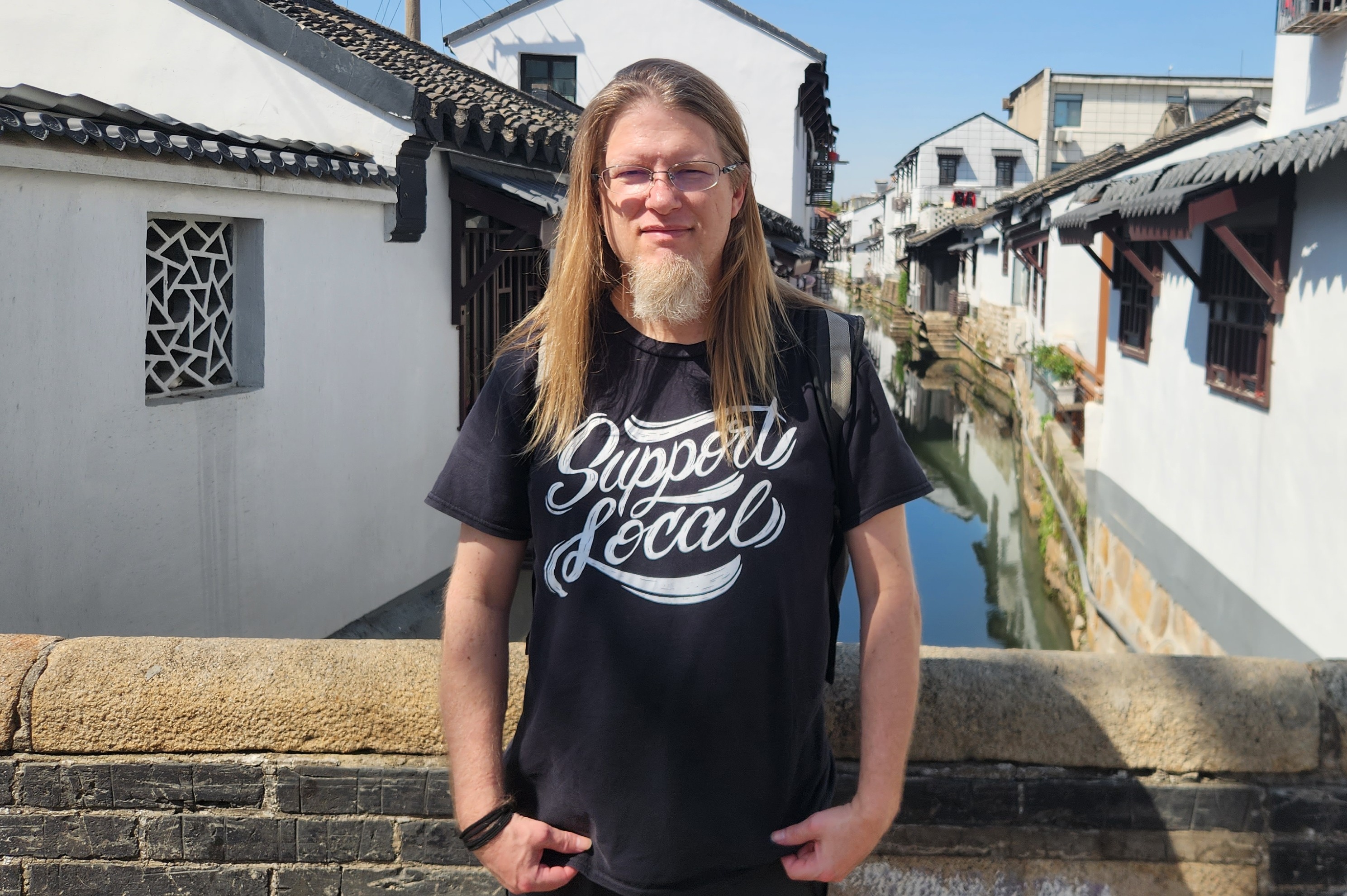



I’ve lived through chronic pain and tinnitus myself. What made the difference wasn’t eliminating symptoms. It was how I learned to respond to them. Over time, those new responses reduced fear, restored stability, and allowed me to move forward again. What I do now comes directly from what actually worked.
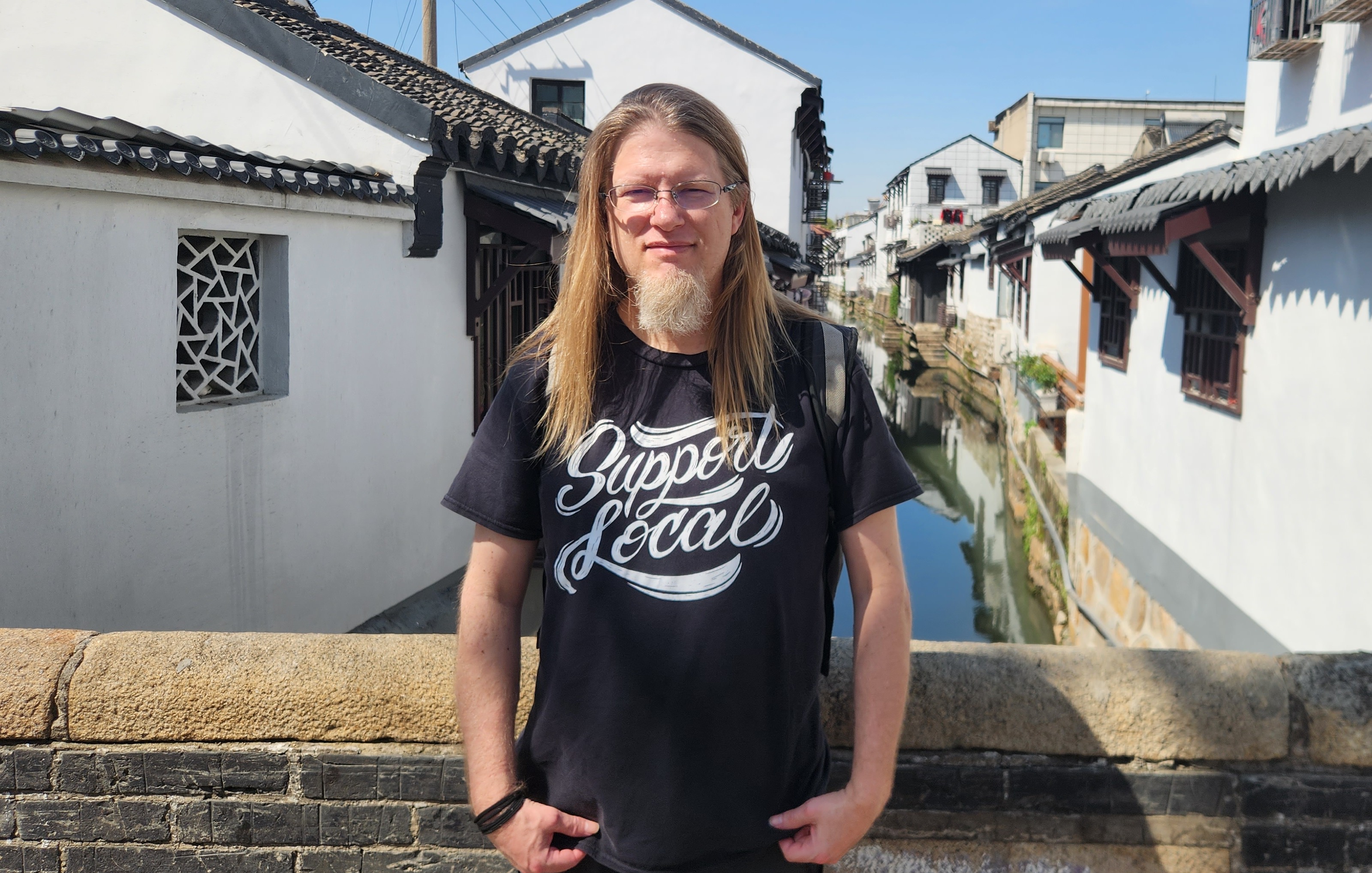

Many cases of chronic pain and tinnitus, whether mild or overwhelming, can improve without surgery, devices, or medication. The tools that helped me recover are grounded in science and lived experience. If you’ve tried everything and still feel stuck, I can help you refocus your attention, lower fear, and get your life back. You don’t need to go it alone. I coach people struggling with chronic symptoms like these, especially when fear, confusion, or misdiagnosis have kept them stuck.
Some patients continue to suffer even when every test looks normal. Chronic pain, tinnitus, and other persistent symptoms can remain disruptive not because of ongoing damage, but because of learned patterns in attention, fear, and interpretation. My work focuses on helping clinicians translate these insights into practical reassurance and referral strategies that complement standard care. These brief, evidence-based articles outline how lived experience, predictive-processing research, and behavioral coaching can work together to support recovery when reassurance alone isn’t enough.
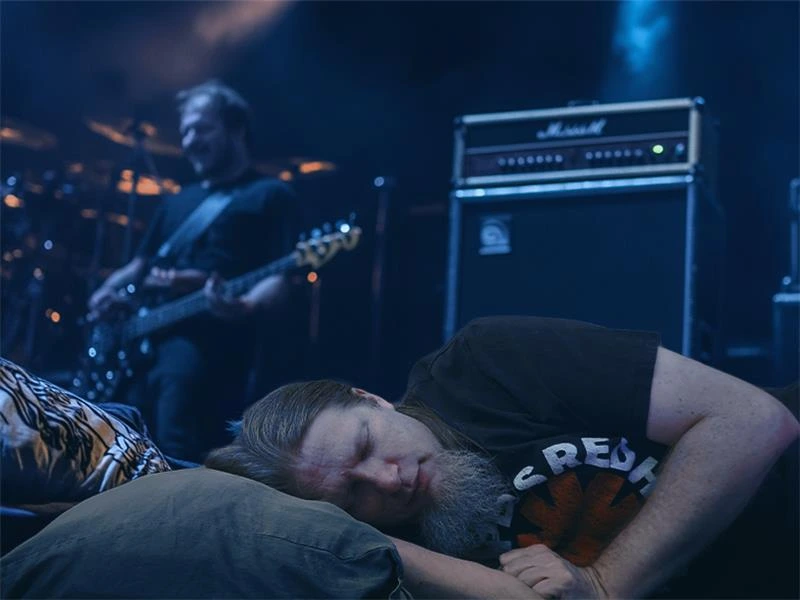
Many cases of chronic pain and/or tinnitus ranging from mild to catastrophic can be resolved without surgery, expensive devices, or medications. While resources on this site can be helpful, nothing beats having a coach who has “been there, done that”. I can help you get back to a normal life free of unpleasant distractions. My coaching is based on:
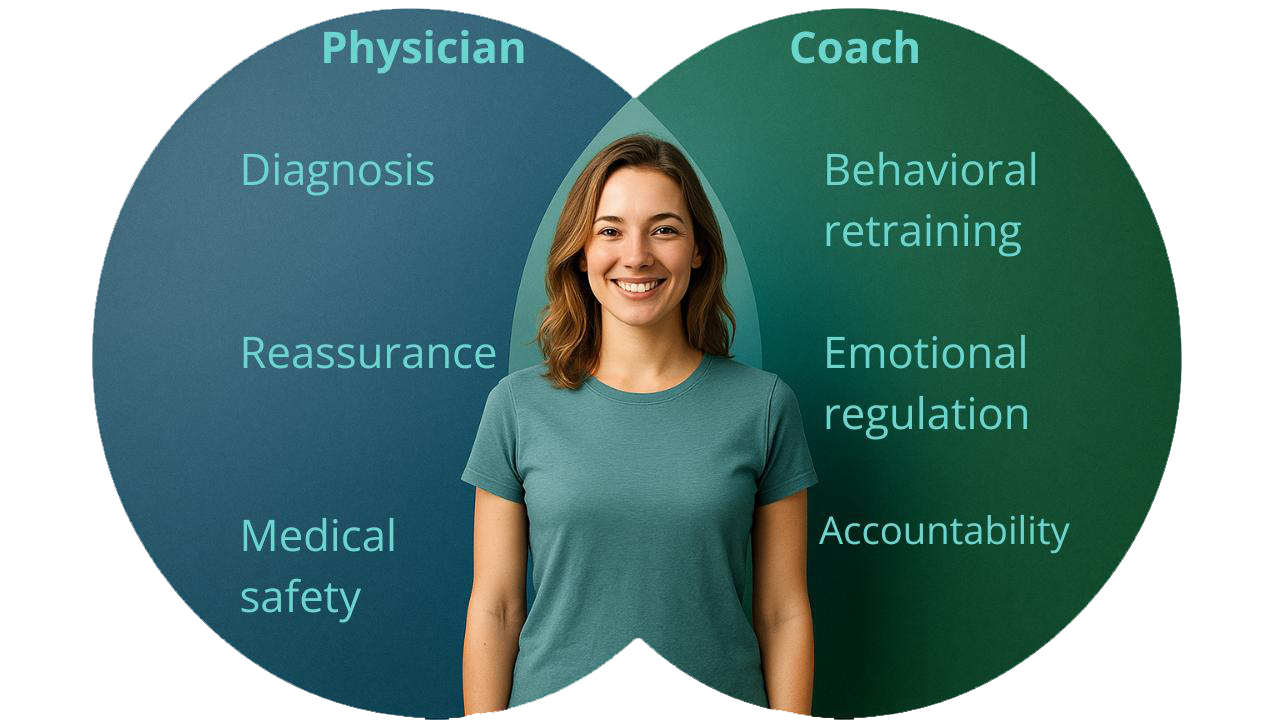
Some patients continue to suffer even when every test looks normal. Chronic pain, tinnitus, and other persistent symptoms can remain disruptive not because of ongoing damage, but because of learned patterns in attention, fear, and interpretation. My work focuses on helping clinicians translate these insights into practical reassurance and referral strategies that complement standard care. These brief, evidence-based articles outline how lived experience, predictive-processing research, and behavioral coaching can work together to support recovery when reassurance alone isn’t enough.

I work in focused two-month phases: eight one-on-one sessions over that period. We begin with a clear baseline using a standardized index so we understand precisely how the symptom is affecting your daily life. From there, we move through three core phases:
Stabilization: reducing acute fear and reactivity
Reconditioning: retraining threat and attention patterns
Integration: consolidating gains into daily life
Each phase builds on the last, with progress tracked along the way. This structure keeps the work intentional rather than open-ended.


A free 30-minute consultation is a structured conversation designed to clarify where you are, what may be keeping the problem going, and whether my approach is a good fit for you. You’ll have space to ask questions, understand how I work, and decide, without pressure, whether moving forward feels right.

Type your email here